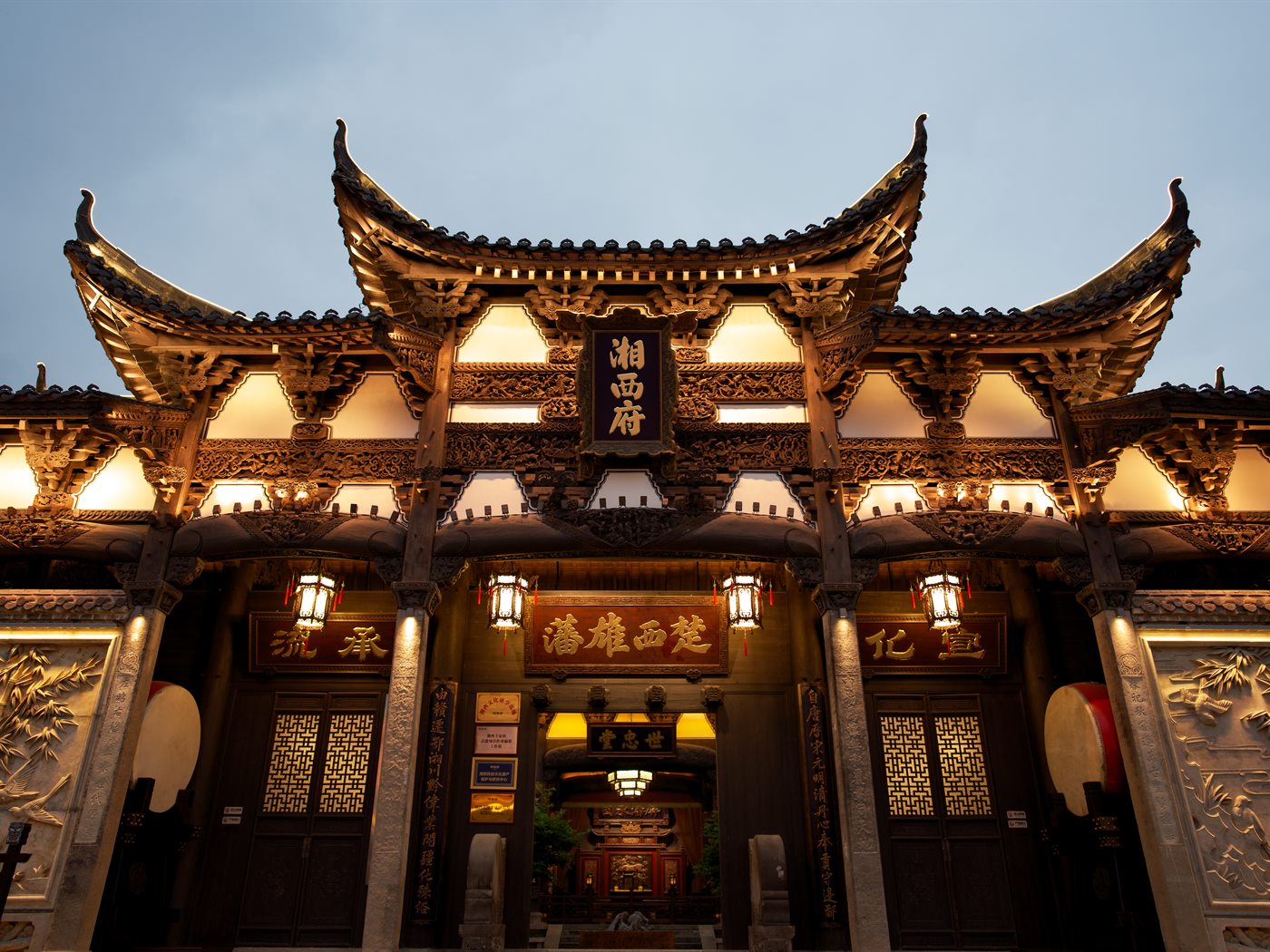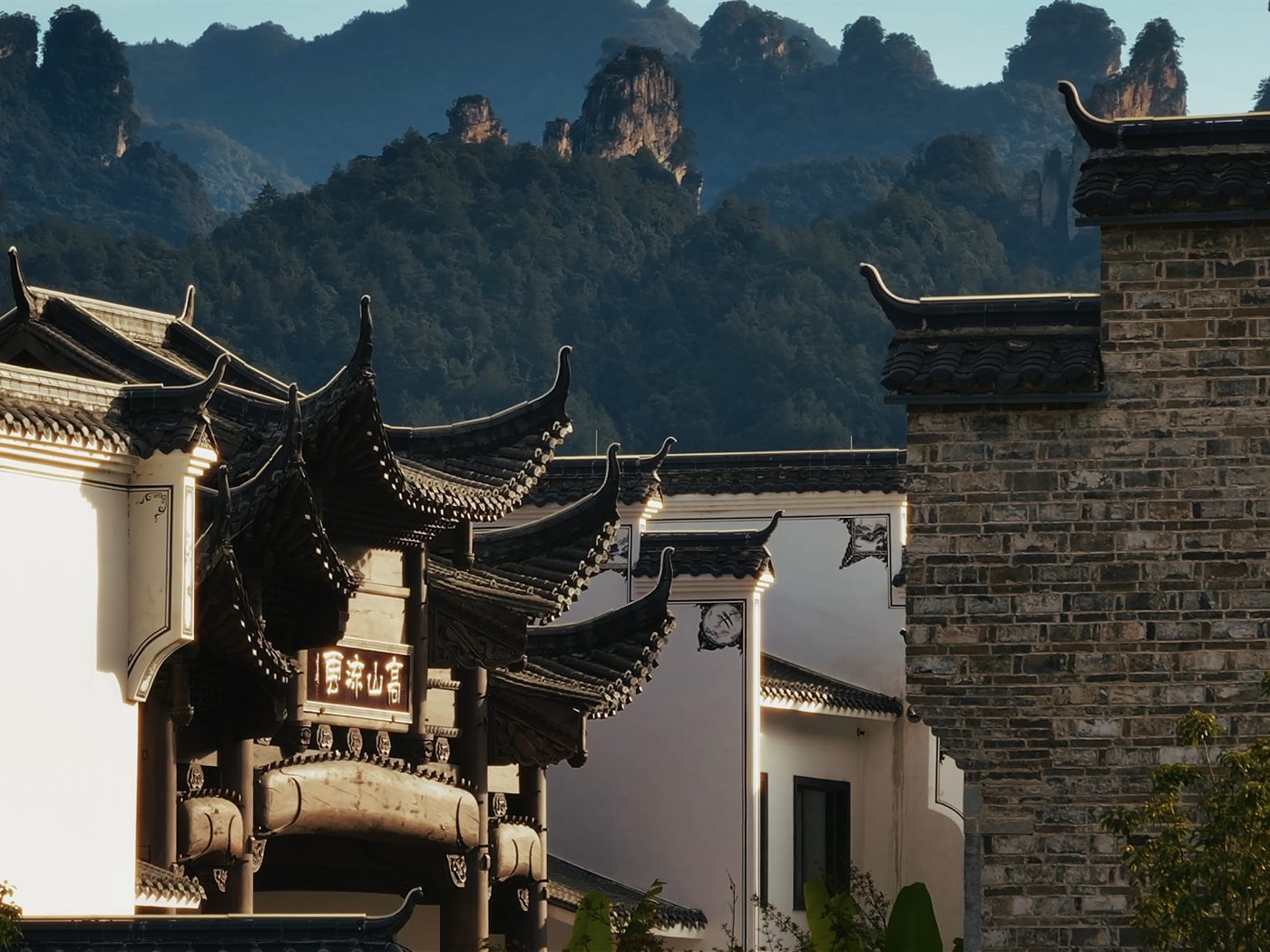
Wufeng Gate
The ceremonial gateway to Xiangxi Fu. Its layered eaves rise like a phoenix, opening the journey into Tusi architecture and mountain heritage.

Zhangjiajie · Wulingyuan
30+
mu cultural site
20,000
sqm cultural space
818
years of Tusi legacy
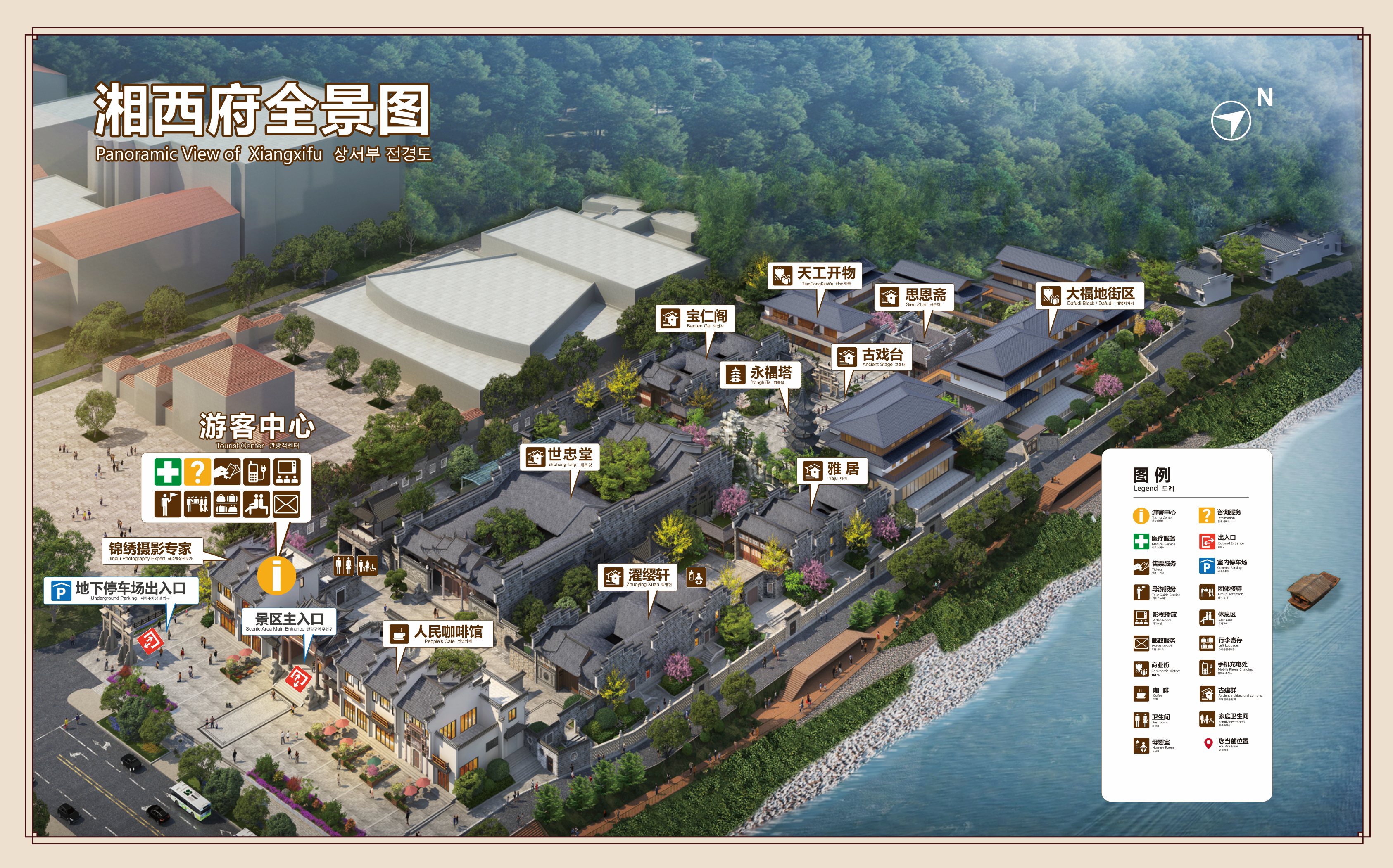
From Wufeng Gate to Shizhong Hall, Zhuoying Study, Tujia Wedding Residence, Nuo Culture Pavilion, Si’en Studio and Yongfu Pagoda, your admission opens the main cultural spaces of Xiangxi Fu.
Clear admission. A relaxed visit. Optional experiences, if available, are clearly presented for your choice.
Xiangxi Fu follows more than eight centuries of Peng Tusi history and re-creates a Ming-Qing style courtyard ensemble. Its route connects Tusi governance, family virtues, Tujia wedding traditions, Xiangxi Nuo culture, Chenzhou cinnabar and calm museum spaces.
From Tusi halls to intangible heritage, every courtyard is a chapter of Xiangxi culture.
Highlights
A concise route through the major halls and courtyards of Xiangxi Fu.
The ceremonial gateway to Xiangxi Fu. Its layered eaves rise like a phoenix, opening the journey into Tusi architecture and mountain heritage.
The central hall traces eight centuries of Peng Tusi governance, border defense, tribute routes and the family glory of defending the realm.
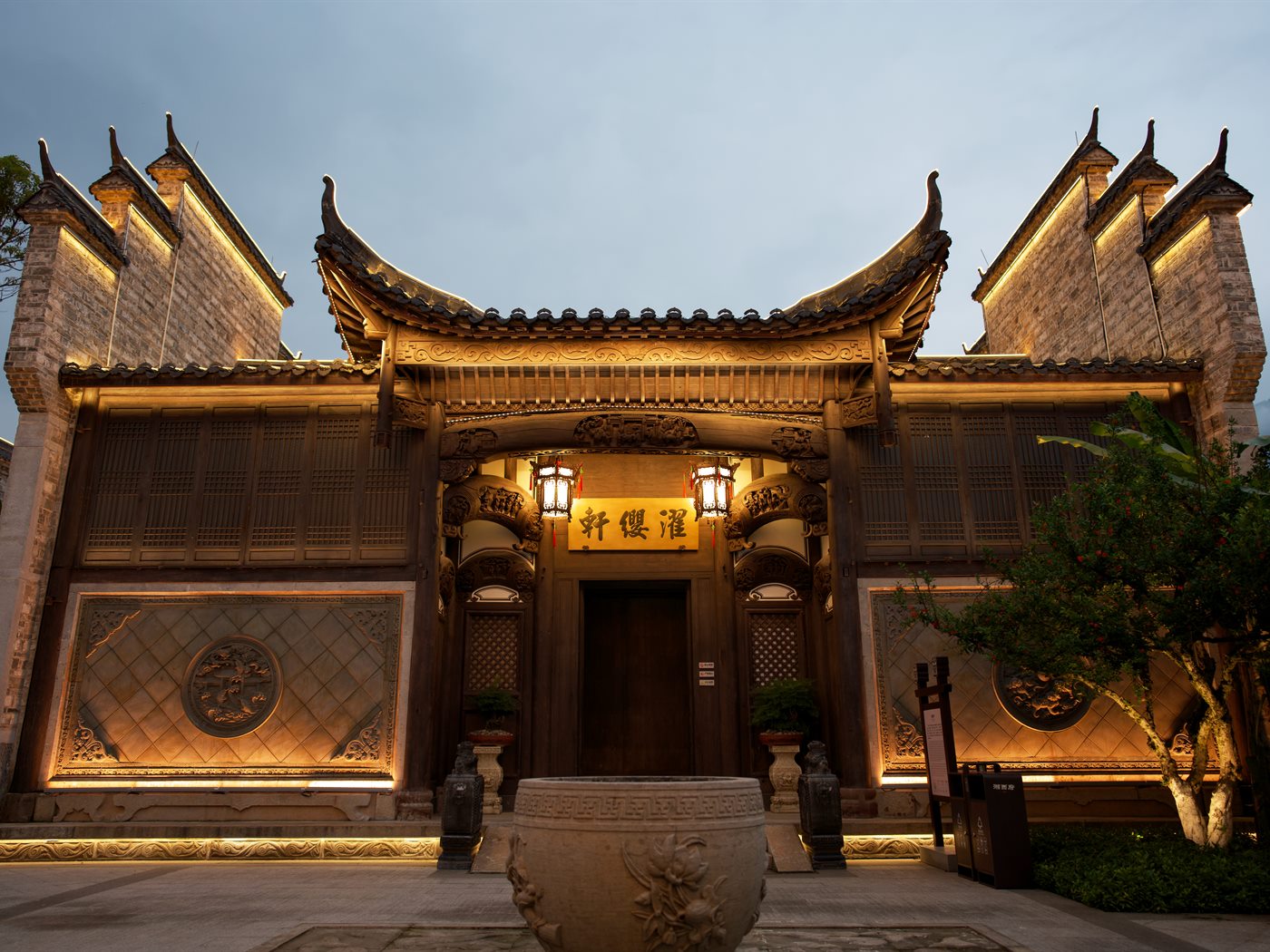
A fragrant camphor-wood study linking Confucian learning, Tujia virtues and the life stories of Xiangxi figures in literature, art, science and public service.
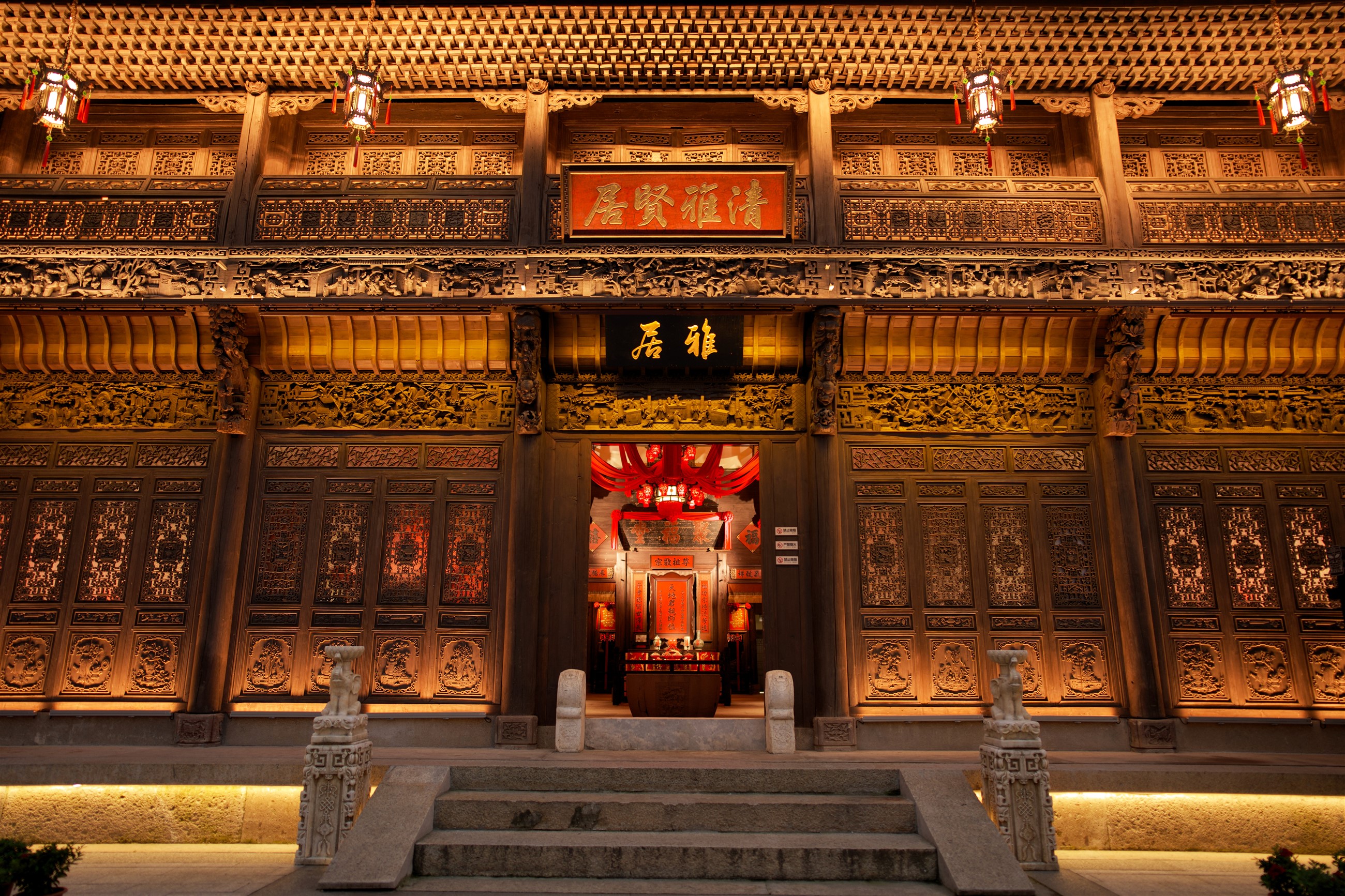
A refined reconstruction of Tujia wedding rituals, tea vows, dowry traditions and the quiet dignity of family ceremonies.
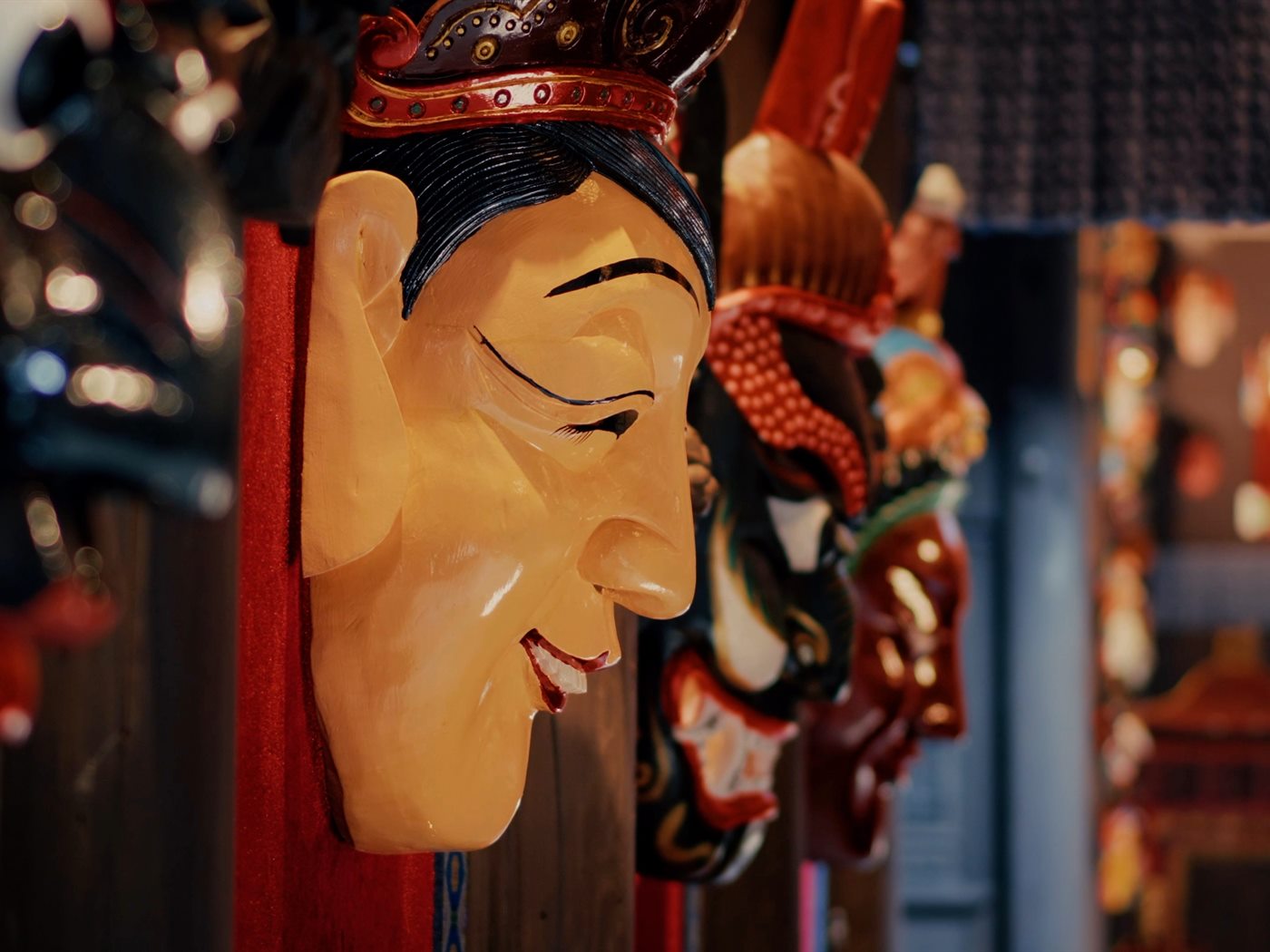
A respectful presentation of Xiangxi Nuo culture, masks, ritual memory and the spiritual imagination of mountain communities.
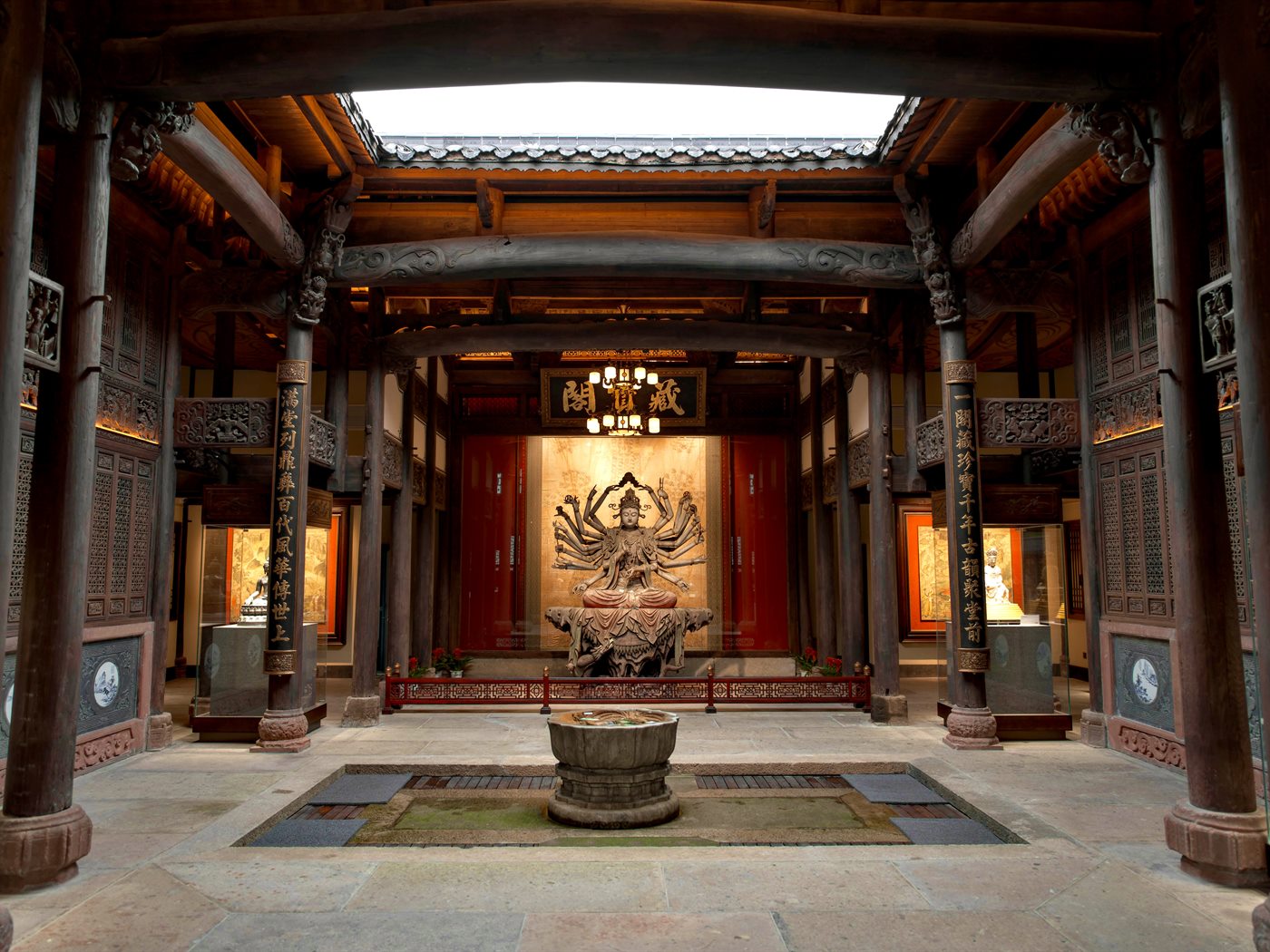
A calm museum-like space for rotating collections, wood-carved Buddhist art, hair embroidery and quiet reflection.
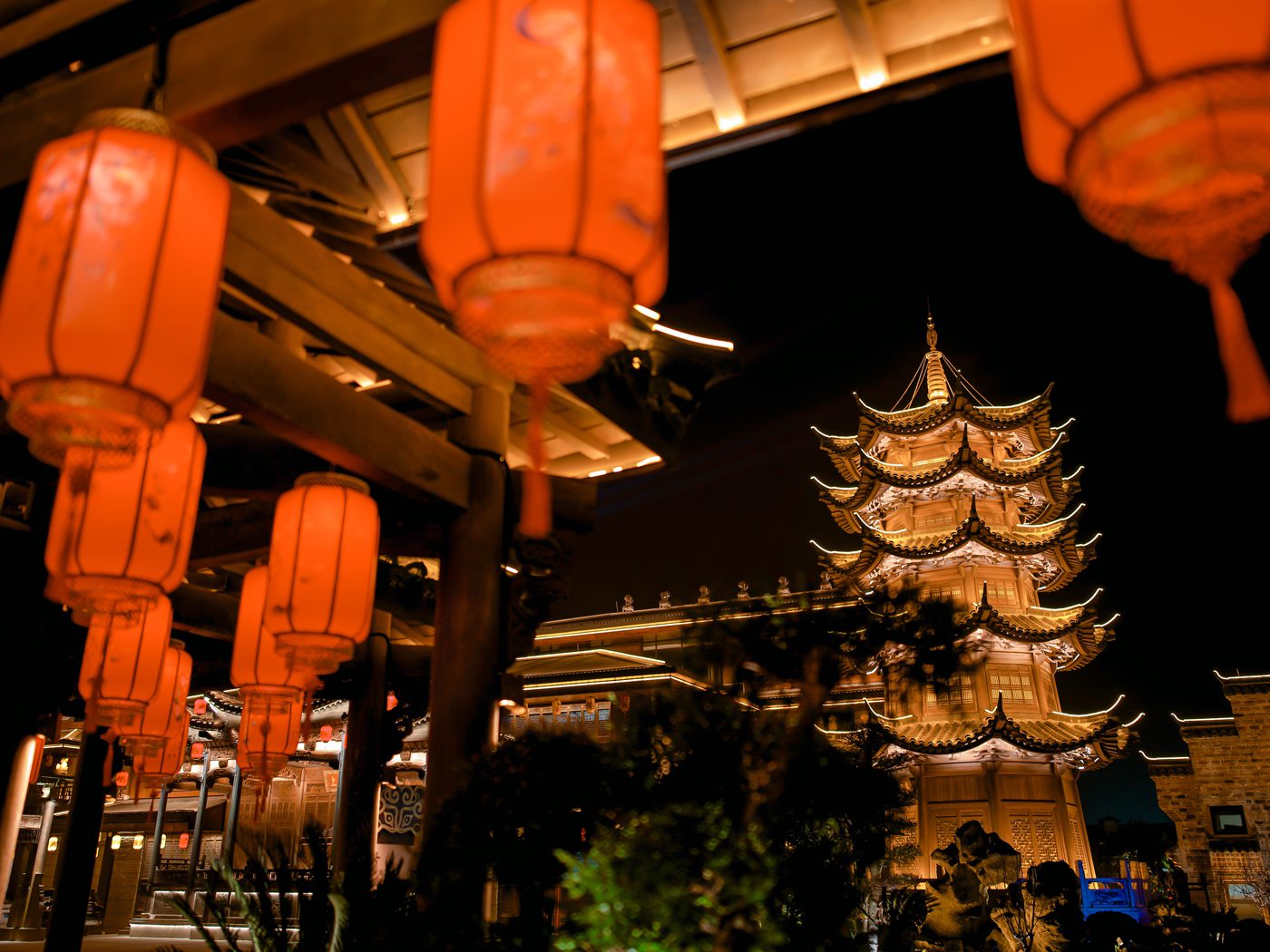
A five-storey timber pagoda carrying wishes of fortune, prosperity, longevity, joy and celebration for every visitor.
Google Maps
Xiangxi Fu Scenic Area is located in the core area of Zhangjiajie Wulingyuan Scenic and Historic Interest Area, a UNESCO World Natural Heritage Site. It borders the Suoxi River and Gaoyun Bridge to the east, and faces the scenic area’s main entrance, the Sign Gate, across the water to the north.