Xiangxi FuA Living Gateway to Tusi Heritage in Zhangjiajie
Zhuoying Study
Back to highlights

Exhibition focus · 03

Zhuoying Study

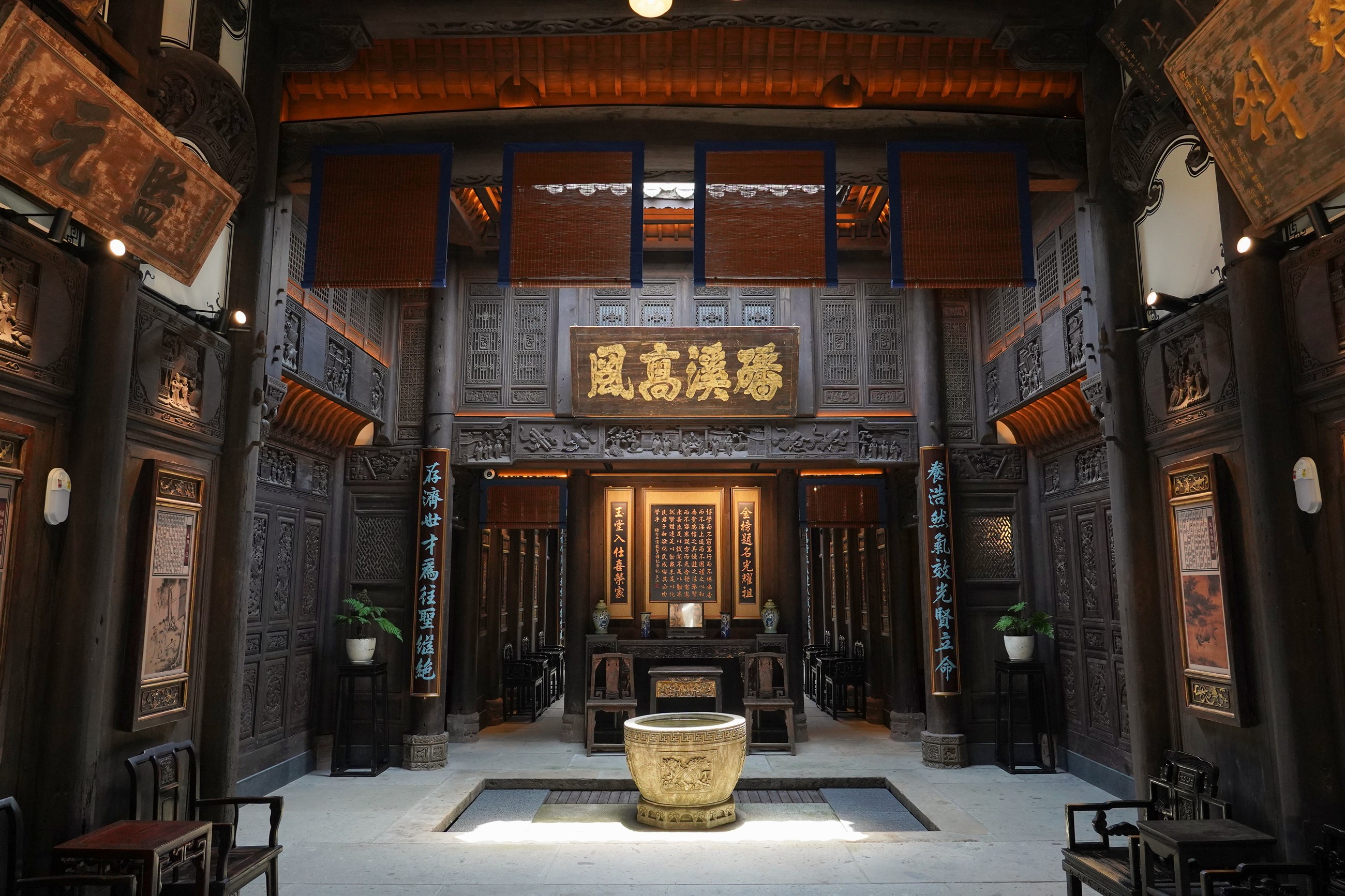
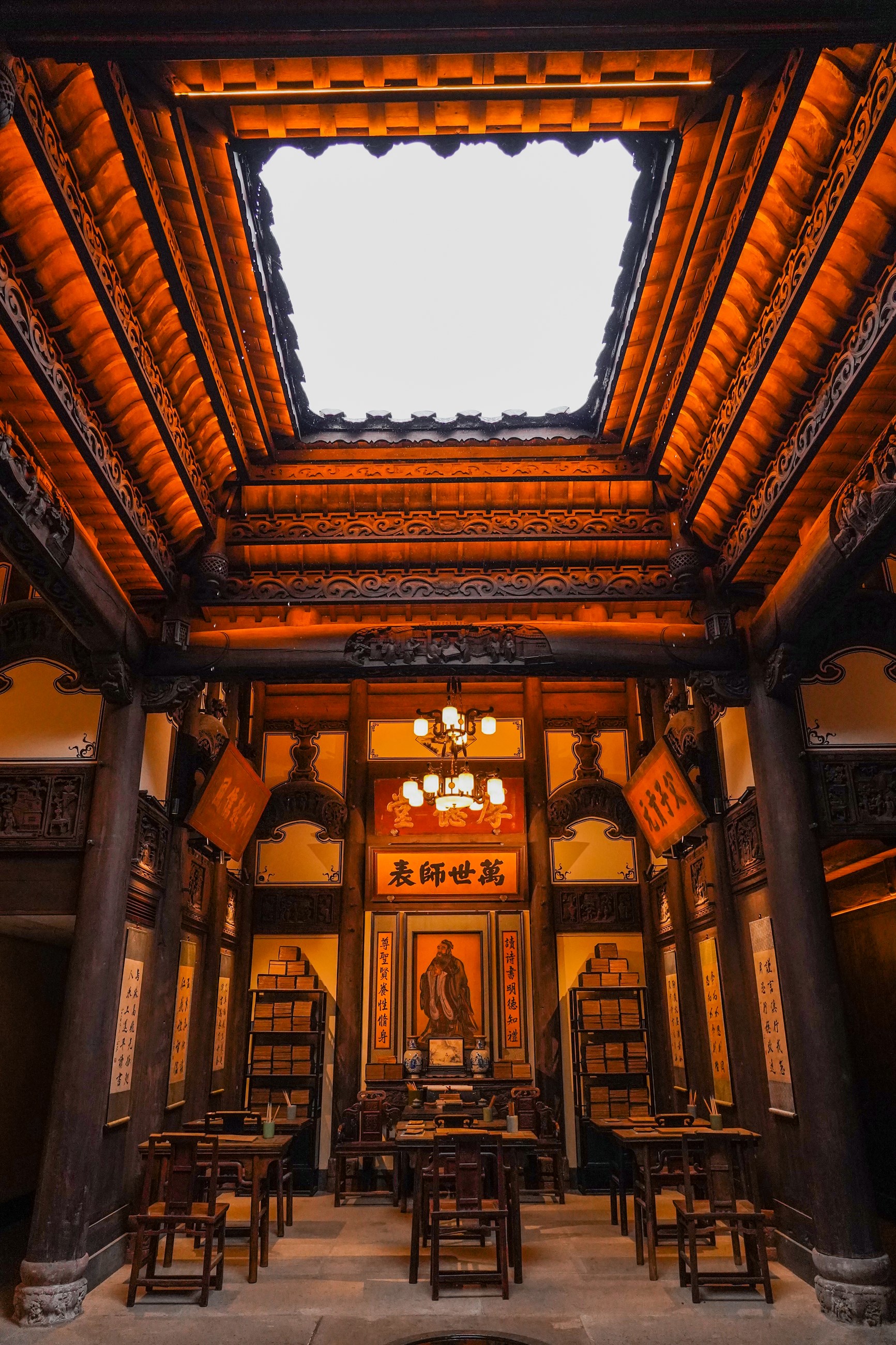
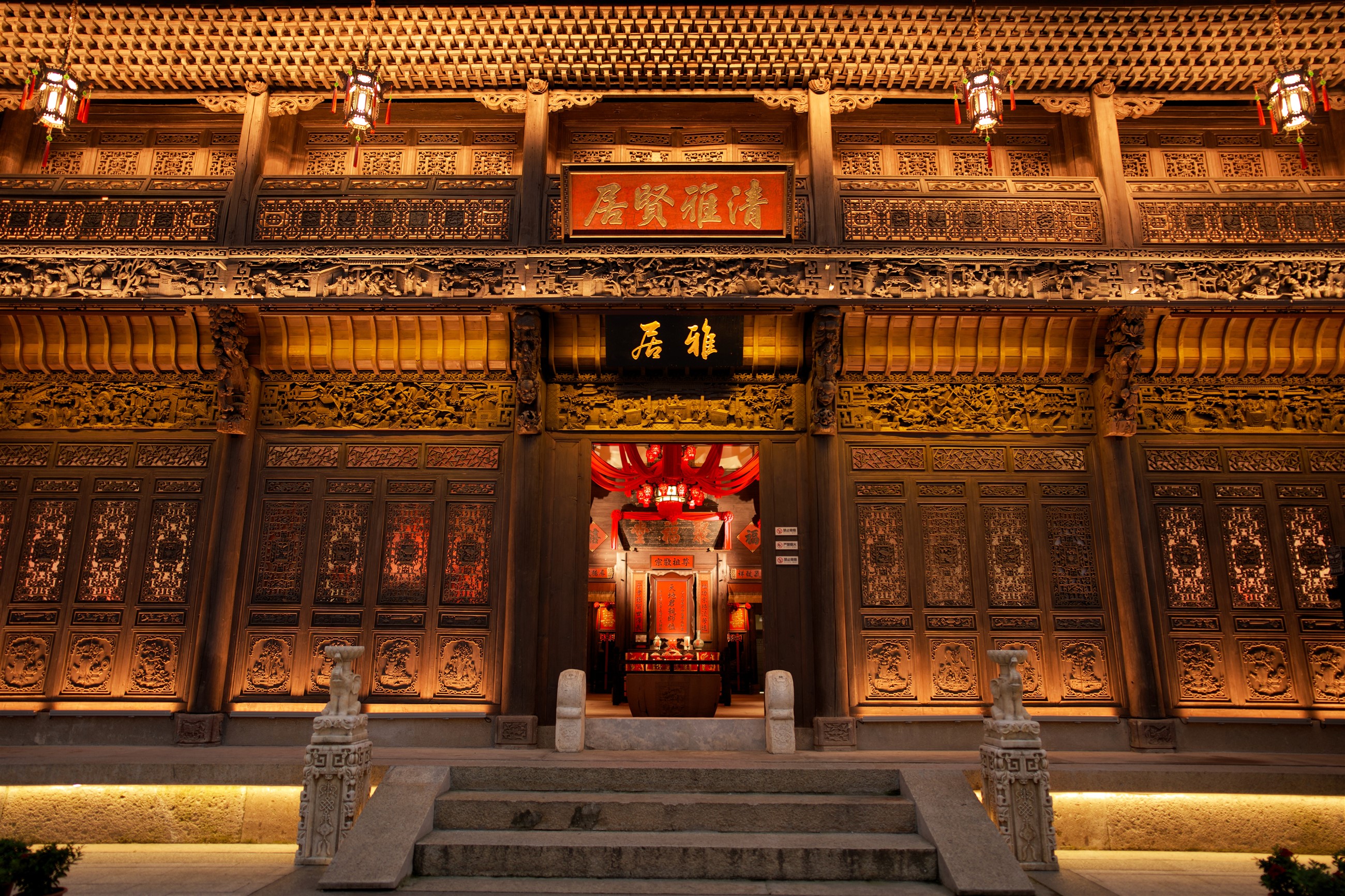
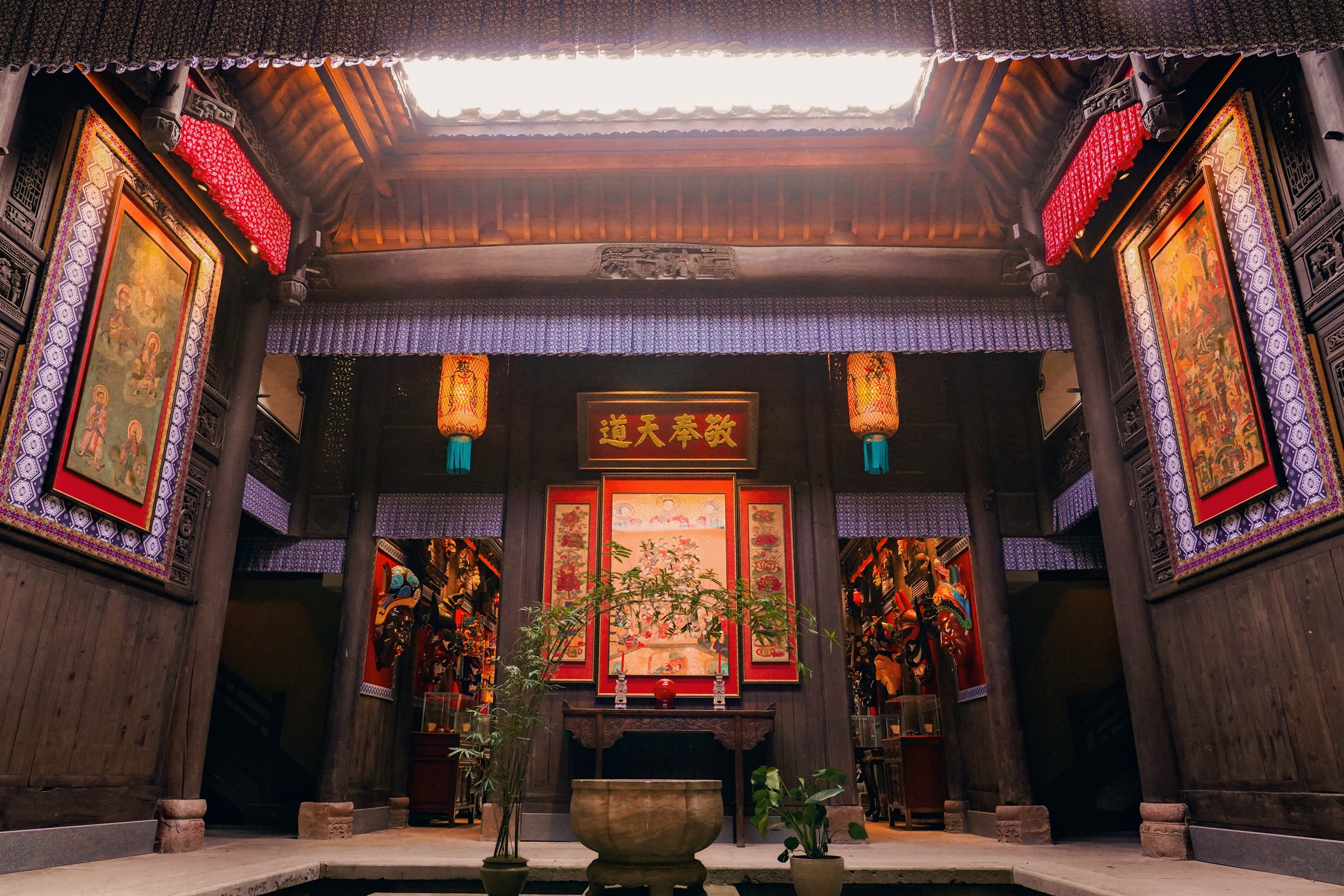
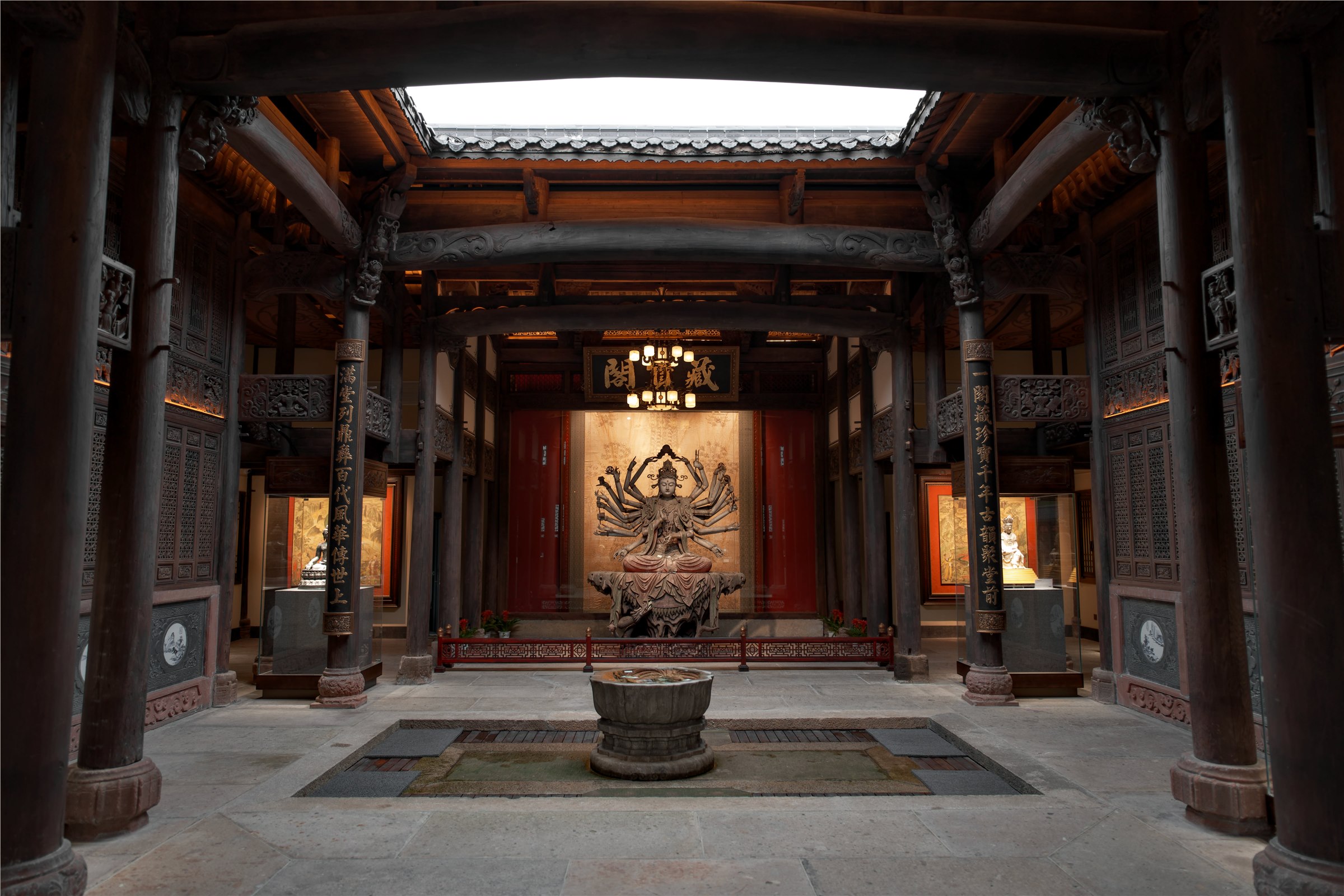
Zhuoying Study is the scholarly heart of the route. Camphor wood, Confucian learning, Wenshu wisdom, the Six Virtues and portraits of Xiangxi figures turn the space into a living chapter on education, family discipline and public service.

Overview

Zhuoying Study

A fragrant camphor-wood study linking Confucian learning, Tujia virtues and the life stories of Xiangxi figures in literature, art, science and public service.

700㎡

approx. study area

6

featured Xiangxi figures

6

Tujia virtues

What to notice

A study where wood fragrance becomes learning, and learning becomes character.

Learning cultureXiangxi figuresSix Virtues

Learning culture

A camphor-wood academy of discipline

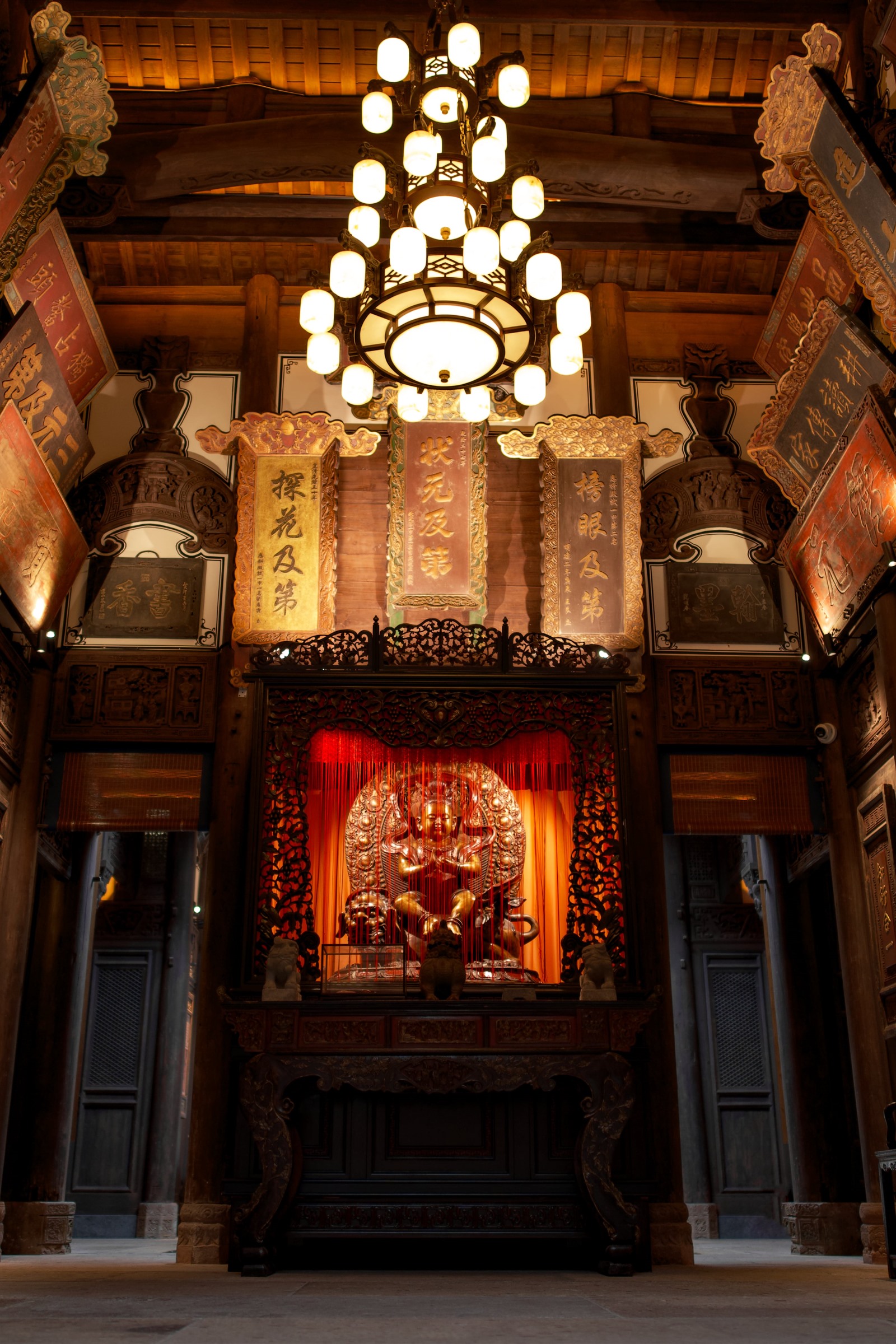
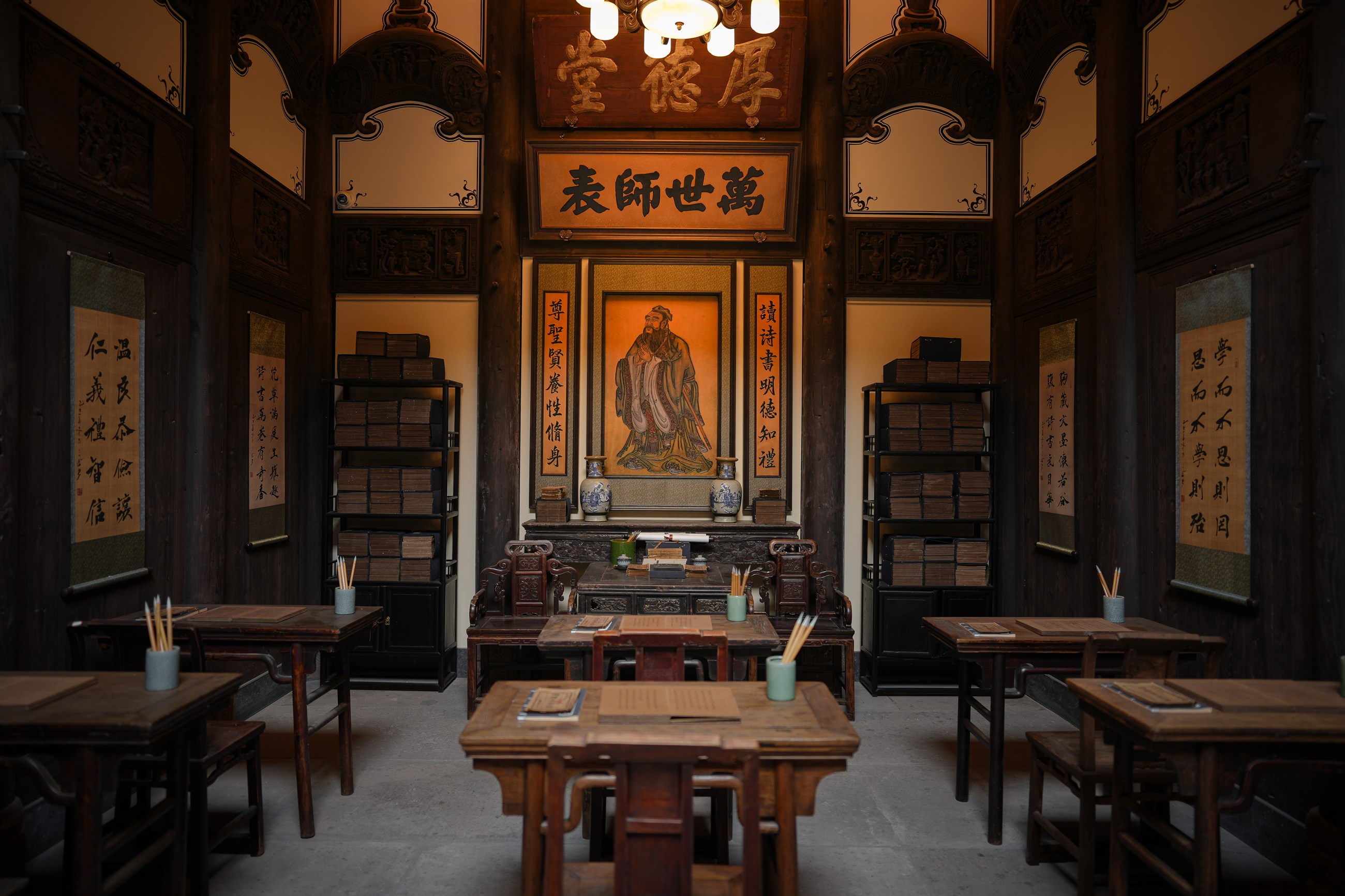
The building uses camphor wood for its durability, fragrance and calm atmosphere. Confucius, Wenshu, study desks and old plaques evoke a private academy where Tusi children and local students pursued learning through respect, discipline and self-cultivation.

1.1

Confucius represents moral learning and ritual order.

1.2

Wenshu represents wisdom and literary fortune.

1.3

Old plaques and desks make the ideal of study visible.
Xiangxi figures

Six lives that widen the meaning of study

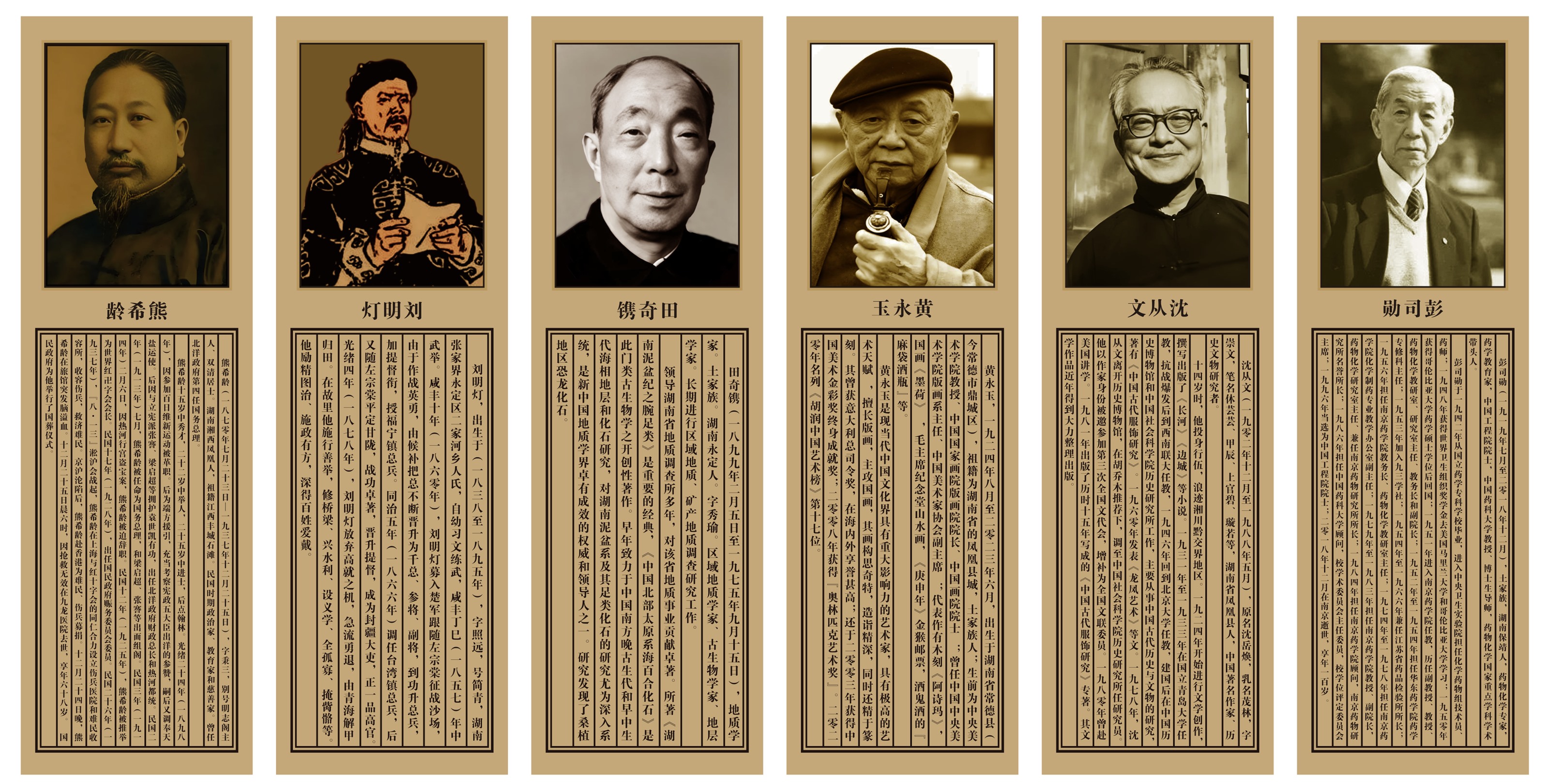
The portraits and biographies of Xiong Xiling, Liu Mingdeng, Tian Qijuan, Huang Yongyu, Shen Congwen and Peng Sixun expand the study beyond examination culture. Their stories move from charity, border governance and scientific research to literature, art and pharmaceutical chemistry, showing how Xiangxi learning can become public service and cultural creation.

2.1

Xiong Xiling and Liu Mingdeng show learning as public responsibility, from charity and education to governance and defense.

2.2

Tian Qijuan and Peng Sixun connect Xiangxi roots with modern science, geology and pharmaceutical chemistry.

2.3

Huang Yongyu and Shen Congwen turn borderland memory into art and literature recognized far beyond Xiangxi.

Six Virtues

A family code that sustained a lineage

The Six Virtues summarize a Tujia way of conduct: diligence, righteousness, courtesy, harmony, filial piety and loyalty. They connect personal learning with family order and public responsibility.

3.1

Examination plaques turn achievement into visible honor.

3.2

Classical stories encourage diligence and discipline.

3.3

The study is designed for slow reading and reflection.

Zhuoying Study Feature

Xiangxi Figures Wall

Drawn from the biographical panels inside Zhuoying Study, this long image brings Xiong Xiling, Liu Mingdeng, Tian Qijuan, Huang Yongyu, Shen Congwen and Peng Sixun into one quiet reading moment. It turns the room's scholarship and family instruction into a visual archive of public service, art, science and literature.

Xiangxi Figures Wall
On smaller screens, swipe horizontally to read the full panels.Open full image

Atmosphere

Zhuoying Study

Zhuoying Study is the scholarly heart of the route. Camphor wood, Confucian learning, Wenshu wisdom, the Six Virtues and portraits of Xiangxi figures turn the space into a living chapter on education, family discipline and public service.

Zhuoying Study
Zhuoying Study 2
Zhuoying Study 3

Main cultural spaces

Continue exploring

Move into nearby halls and courtyards to keep the cultural journey connected.

WhatsApp